
Citizen science
Saving Private Orion
Orion is visible across the world in winter. How many of its stars you can see depends on the light pollution above you. Compare your sky to our reference images and help build a map of the Belgian night sky.
—
Observations
—
Avg. limiting magnitude
—
Avg. SQM (mag/arcsec²)
Where do I find Orion?
Orion is well visible to the south on winter evenings. Look first for the three stars in a row — the "belt" — and build up the whole constellation from there.
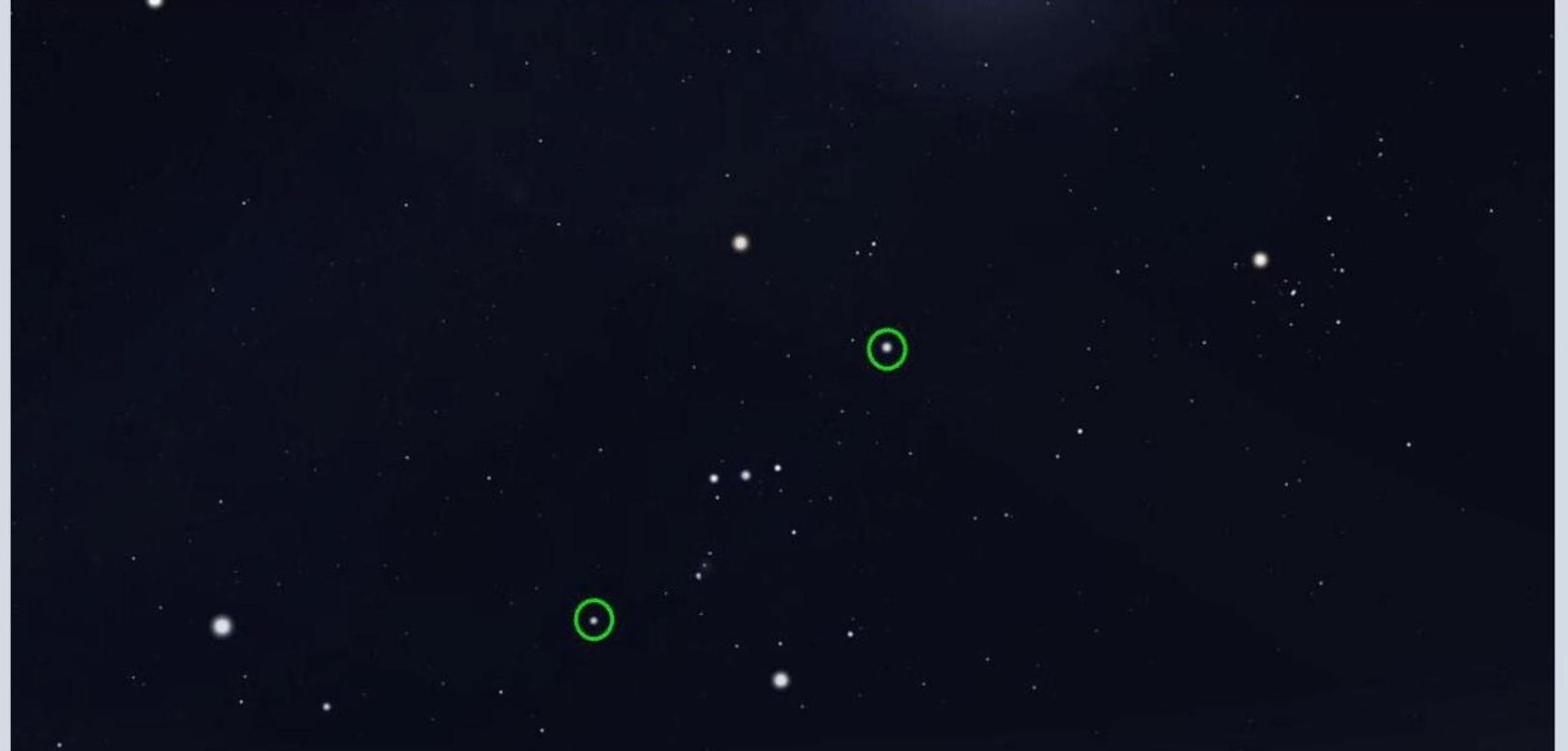
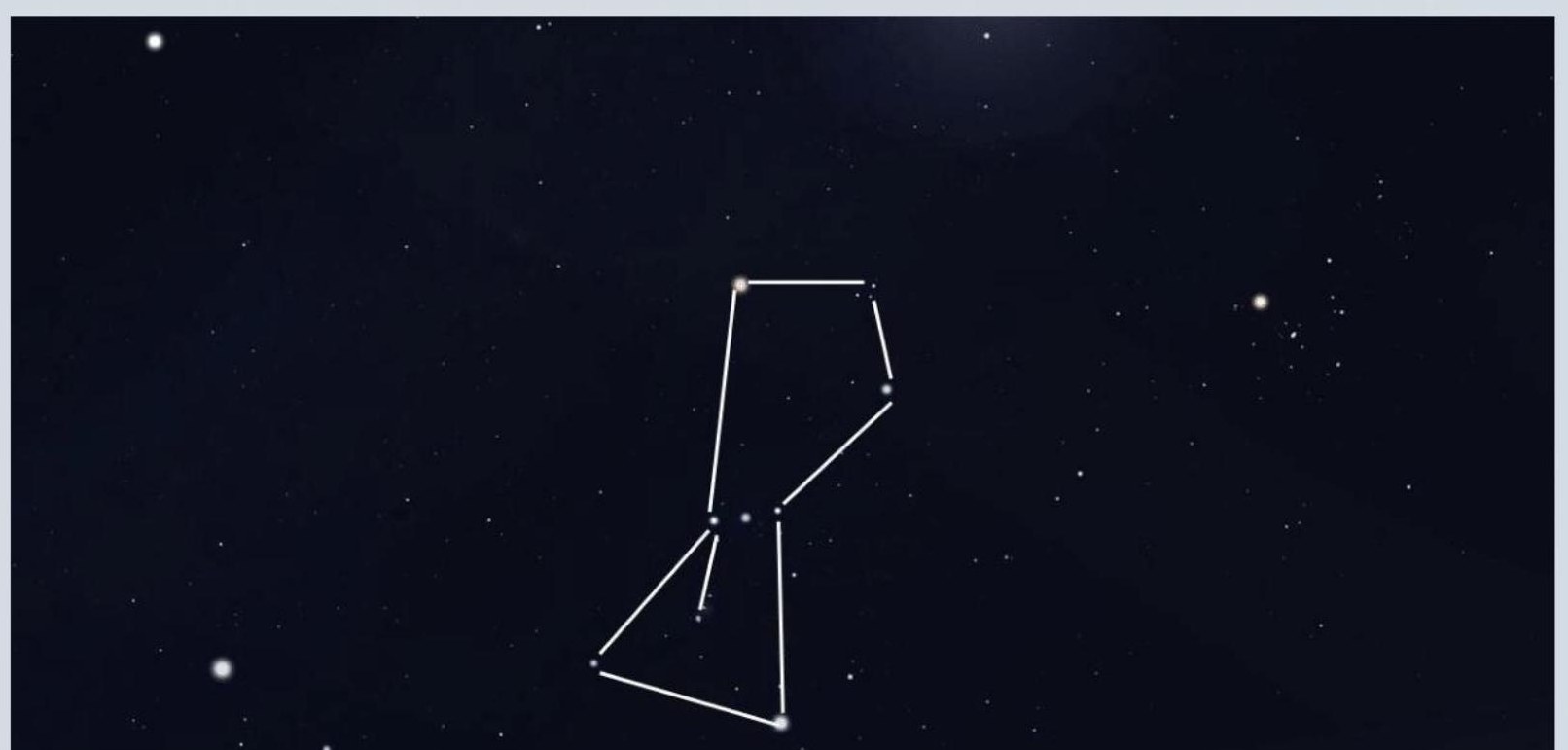
Photos: Astrophotography Group of the Ghent University Public Observatory Armand Pien.
Submit your observation
All observations
Colour: green = high limiting magnitude (dark sky), red = low limiting magnitude (heavy light pollution).
Loading map…
0 observation(s).